
Wellness Practices




SLEEP HEALTH
Purpose
Educate users about the importance of adequate, high-quality sleep for overall health.
Main Content Sections
- Why Sleep Matters
- Explains how sleep supports brain function, immunity, and metabolism.
- Example text:
“Getting enough sleep is essential for maintaining attention, mood, and immune strength. Chronic sleep deprivation increases the risk of obesity, heart disease, and diabetes.”
- Recommended Sleep Duration (from CDC)
Age Group | Hours per Night |
Adults (18–60) | 7+ hours |
Adults (61–64) | 7–9 hours |
Adults (65+) | 7–8 hours |
- Sleep Hygiene Tips
- Keep a consistent bedtime and wake-up time
- Avoid screens 30 minutes before bed
- Limit caffeine and alcohol
- Create a dark, quiet sleep environment
- When to Seek Help
- Persistent insomnia
- Loud snoring, choking, or gasping during sleep
- Excessive daytime sleepiness
Visual / Functional Elements
- Card icon: 💤 or moon symbol
- Include optional sleep tracker download (simple PDF or Excel log)
- Embed short infographic: “7 Tips for Better Sleep”
References
- CDC Sleep and Sleep Disorders: https://www.cdc.gov/sleep/
Mayo Clinic Sleep Tips: https://www.mayoclinic.org/healthy-lifestyle/adult-health/in-depth/sleep/art-20048379

STRESS MANAGEMENT
Purpose
Help users identify stress symptoms and learn healthy coping techniques.
Main Content Sections
- Understanding Stress
- Define stress as the body’s response to change or pressure.
- Example text:
“Stress is a natural reaction that can help motivate you — but too much stress over time can harm your heart, digestion, and immune system.”
- Common Signs of Stress
- Physical: headaches, tension, fatigue
- Emotional: irritability, anxiety
- Behavioral: overeating, poor sleep
- Healthy Coping Techniques
- Deep breathing: “Inhale for 4 seconds, hold for 4, exhale for 4.”
- Regular physical activity
- Journaling or creative outlets
- Talking to a trusted person or counselor
- Quick “Stress Reset” Tool (Optional Widget)
- Simple interactive timer: 1-minute breathing exercise with animation
- Text cue: “Breathe in… Hold… Breathe out…”
Visual / Functional Elements
- Card icon: 💆♀️ or calm face emoji
- Include “Try a 1-Minute Breathing Exercise” button
- Calming colors (soft blue, lavender, white)
References
- American Heart Association – Stress and Heart Health: https://www.heart.org/en/healthy-living/healthy-lifestyle/stress-management
CDC Coping with Stress: https://stacks.cdc.gov/view/cdc/100876

MINDFULNESS
Purpose
Introduce mindfulness as a daily habit to improve focus, reduce anxiety, and support emotional health.
Main Content Sections
- What Is Mindfulness?
- Definition: “Mindfulness is the practice of paying attention to the present moment with openness and without judgment.”
- Brief overview of scientific benefits (lower stress, better sleep, improved mental clarity).
- Simple Mindfulness Practices
- 5-minute breathing meditation (audio or text guide)
- Mindful eating (focus on texture, taste, and smell)
- Body scan exercise (noticing sensations head-to-toe)
- Beginner’s Routine
- Suggest a daily 3–5 minute session
- Use guided apps or on-site audio clips
- Mindful Living Tips
- Reduce multitasking
- Practice gratitude daily
- Pause before responding in conversations
Visual / Functional Elements
- Card icon: 🧘♀️ lotus or meditation symbol
- Optional: audio embed for a 3-minute guided meditation
- Calming visuals — pastel tones and gentle animation
References
- Mayo Clinic Mindfulness: https://www.mayoclinic.org/healthy-lifestyle/consumer-health/in-depth/mindfulness-exercises/art-20046356
NIH Mind-Body Practices Overview: https://www.nccih.nih.gov/health/mind-and-body-practices

FITNESS & PHYSICAL ACTIVITY
Purpose
Motivate users to include regular physical activity in their weekly routine following CDC and AHA recommendations.
Main Content Sections
- Why Physical Activity Matters
- Benefits: improves heart health, weight management, mood, and energy.
- Example text:
“Regular physical activity reduces your risk of heart disease, diabetes, and depression, and supports overall well-being.”
- CDC Weekly Activity Recommendations
- Adults should get at least:
- 150 minutes of moderate-intensity activity per week
- or 75 minutes of vigorous activity
- Plus 2 days of muscle-strengthening
- Adults should get at least:
- Examples of Moderate vs Vigorous Activities
Moderate | Vigorous |
Brisk walking | Running |
Water aerobics | Jump rope |
Biking on flat ground | Hiking uphill |
Dancing | High-intensity interval training |
- Tips for Getting Started
- Start small (10–15 min walks)
- Use a pedometer or app to track progress
- Find an activity you enjoy
- Downloadable Trackers
- “Weekly Activity Log” (PDF/Excel format)
- Columns for Date, Duration, Activity Type, and Notes
Visual / Functional Elements
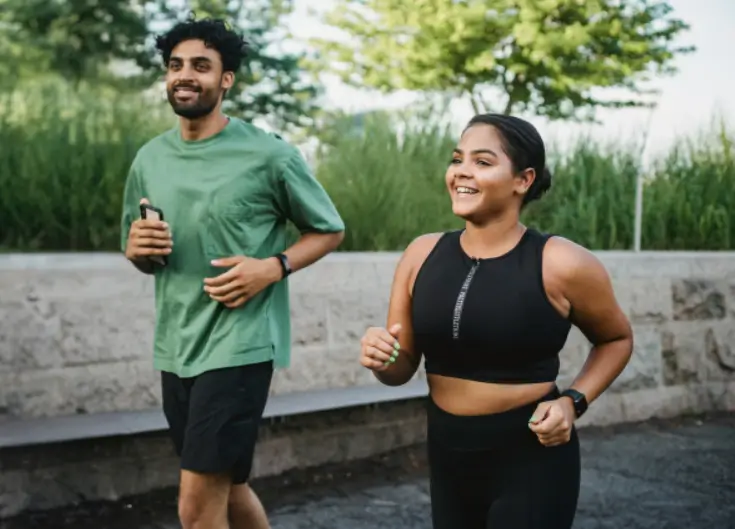
- Card icon: 🏃 or heart pulse icon
- Include “Start Moving” call-to-action button linking to CDC “Move Your Way” guide
- Use vibrant, motivational imagery
References
- CDC Physical Activity Basicshttps: https://www.cdc.gov/physical-activity/php/about/index.html
- AHA Recommendations for Physical Activity: https://www.heart.org/en/healthy-living/fitness/fitness-basics